
PTSD After a Car Accident: Symptoms, Diagnosis, and Your Legal Rights in Virginia
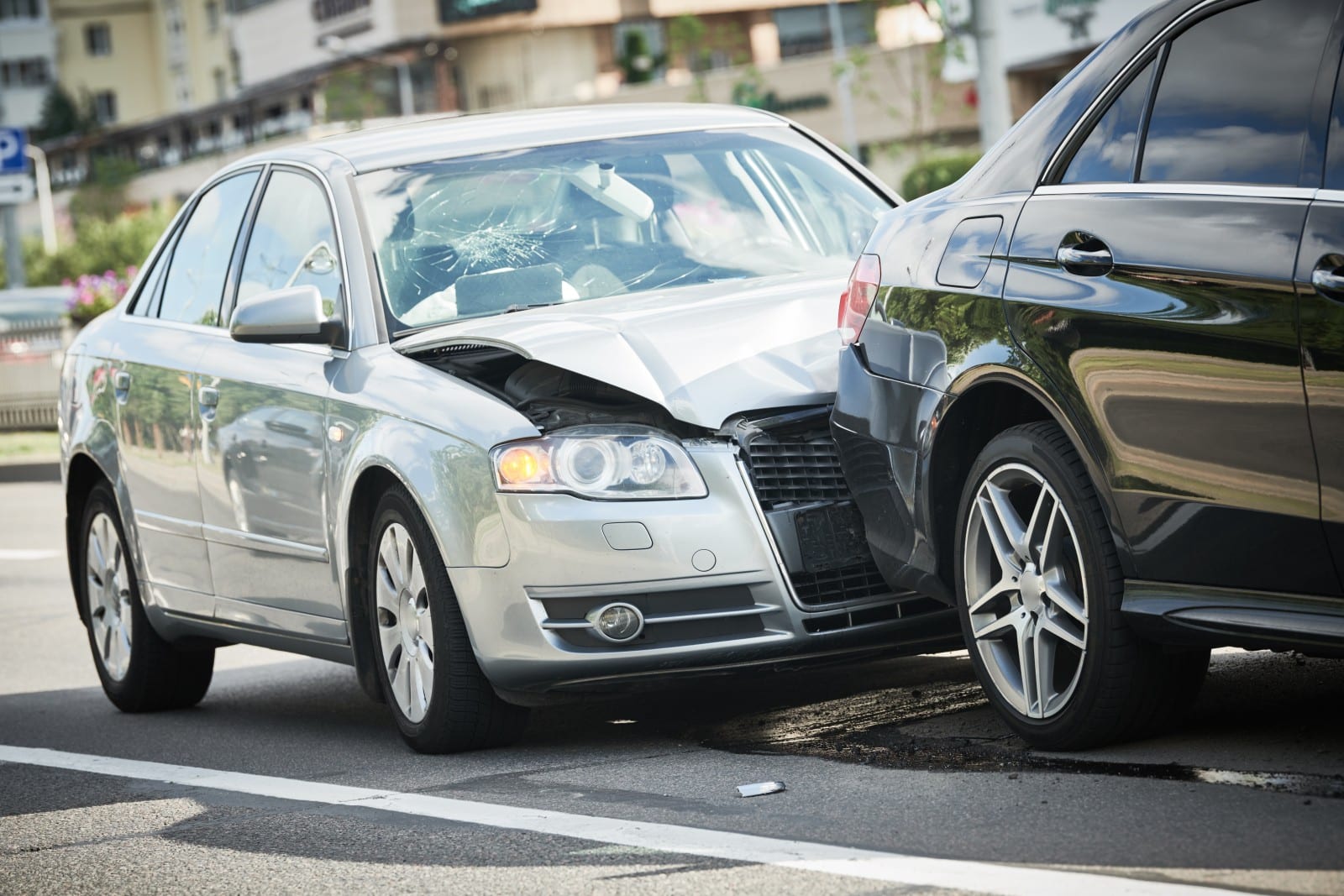 Car accidents are undoubtedly very traumatic events. They often activate the ‘fight or flight’ response and can negatively affect your mental health for weeks, months, and even years afterward. Many people can overcome car accident trauma in just a few weeks after a crash. For others, sensations of fear and anger only become much worse over time. In some instances, car accident victims develop post-traumatic stress disorder (PTSD), which can have a significant impact on their ability to work and their quality of life.
Post-traumatic stress disorder is a mental health condition triggered by witnessing or experiencing terrifying events, such as combat, natural disasters, and car accidents. If you have suffered car accident trauma, such as PTSD, you may be able to include it in a claim for damages. Our Virginia car accident lawyer explains the common symptoms of PTSD and how to prove your claim for damages.
PTSD car accident symptoms
Not all injured individuals experience the same signs of PTSD after a car accident. However, there are some common symptoms of PTSD that physicians and mental health professionals look for when diagnosing the condition. It is very important to contact your doctor if you experience any of the following after a car accident:
- Reliving the accident: For many people, flashbacks are the most common symptom associated with PTSD. Accident victims may relive the collision, including seeing oncoming headlights, the sensation of the car spinning, and the sound of the crash, as though it is happening all over again. Common triggers of these events are car horn sounds, passing the scene of another accident, or seeing a car similar to the one that struck them. Nightmares about the crash are also very common and can negatively impact a person’s quality of sleep for months.
- Avoidance: Many accident victims try to avoid anything associated with the crash. They may refuse to drive, or even avoid being in a vehicle at all. Avoiding the location where the accident occurred is also very common. This can significantly limit their ability to work or even run simple errands.
- Hypervigilance: When a person suffers from PTSD, their nervous system is in a constant state of alertness. Accident victims often describe tightly gripping the steering wheel while driving, always scanning for hazards when behind the wheel, or flinching at sudden noises. This hypervigilance is not only present when driving. It can cause difficulty concentrating and irritability. This hypervigilance can also greatly interfere with sleep.
- Changes in mood: PTSD can often cause persistent emotional distress after a car accident in Virginia. Accident victims often lose interest in activities they once enjoyed, and pervasive thoughts about danger may persist. Distorted beliefs may also begin to develop, such as thinking the crash was their fault, that they will never feel safe again, or that they are permanently damaged. These changes are very significant and should be taken into account when calculating damages.
PTSD after a car accident diagnosis
It is critical to speak to a doctor if you experience PTSD after a car accident. A doctor will likely conduct a physical exam to ensure there are no physiological issues that could be causing the symptoms. Without physical problems present, they may then conduct a mental health exam or refer you to a specialist for a diagnosis.
To be diagnosed with PTSD, you must experience the following:
- At least one symptom of intrusive thoughts
- At least one avoidance symptom
- At least two symptoms of changes in mood
- At least two hypervigilance symptoms
To receive a formal PTSD diagnosis, symptoms generally must persist for more than one month and significantly interfere with daily functioning.
Compensable damages for PTSD after a car accident
PTSD qualifies as a compensable loss after a car accident, commonly known as pain and suffering damages. When filing a claim after a crash, you can include economic damages for your medical expenses, cost of therapy, and lost wages. You can also pursue non-economic damages such as loss of enjoyment of life, fear, and mental anguish.
Insurance companies and car accident lawyers use different methods to calculate these losses, as they do not all have a fixed dollar value. For example, when valuing your pain and suffering damages, they may calculate your economic damages by a certain number, with higher numbers representing a greater level of emotional distress after a car accident in Virginia.
How to prove PTSD after a car accident
Research has shown that car accidents can cause PTSD. In fact, according to a study published in the National Library of Medicine, nearly half of car accident victims experience PTSD after a crash. While common, you will still have to prove PTSD after a car accident in order to claim damages. PTSD is not a visible injury, such as broken bones and bruises, so it is often much more difficult to prove.
Proving PTSD after a car accident requires establishing a direct link between the collision and the impact it has had on your mental health. Some of the strongest types of evidence in these cases are as follows:
- Medical records: Detailed records from psychiatrists, therapists, and physicians provide very strong proof of PTSD. Seeking treatment early will document the onset of symptoms and establish the link to the accident, making it harder for insurance companies to blame a pre-existing condition.
- Expert testimony: Expert testimony from a psychiatrist or therapist can prove to insurance adjusters and juries how your crash caused PTSD and the impact the condition has had on your life.
- Witness testimony: Along with testimony from witnesses who saw the crash, it is also recommended that you provide testimony from friends and family members who have witnessed the impact of the crash on your mental health.
- Trauma journal: Over time, your memories may fade, even if you relived the accident for some time after the crash. Keeping a detailed journal regarding nightmares, flashbacks, avoidance behaviors, panic attacks, and your daily struggles can help prove your symptoms and the impact they have had on your life.
- Other documentation: Any other documentation you can provide proving your losses is also very strong evidence. For example, pay stubs can show the total amount of your lost wages if PTSD has prevented you from returning to work.
Our car accident lawyers in Virginia can help prove your case
If your mental health has been negatively impacted after a collision, our Virginia car accident lawyers at Phelan Petty Injury Lawyers can provide the legal advice you need and help prove your case. Call us today or contact us online to schedule a consultation with one of our experienced attorneys and to learn more about how we can help with your case.

Michael Phelan is a Virginia trial attorney who practices with a special focus on traumatic brain injury (TBI) cases, pharmaceutical and medical device claims, product liability cases, and truck accidents. Michael’s peers have consistently recognized him for his excellence as a trial lawyer, and his clients have praised him for his commitment to deep research, his outstanding communication skills, and his sincerity and dedication.