Work Zone and Construction Site Accidents on Virginia’s Highways: Proving Fault
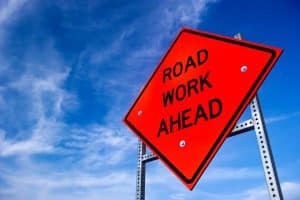 Work zones are a familiar sight for Virginia’s commuters. Whether you get caught up in a work zone on I-95, I-64, I-81, or a local road, knowing how to navigate construction zones is a crucial part of safe driving. These areas are hot spots for accidents, thanks to confusing traffic patterns and inattentive drivers.
Accidents in these areas often involve both standard passenger vehicles and commercial trucks or construction vehicles, and as a result, serious injuries are common. Proving fault is required before you can recover any sort of fair compensation, which is why we recommend talking to a car accident lawyer as soon as possible. At Phelan Petty Injury Lawyers, we’ve handled many of these types of cases and know what it takes to build a successful claim – like working closely with work zone safety engineers to prove liability. Call us today to schedule your free case evaluation now.
High-risk work zone accidents
Work zone accidents are uniquely dangerous for a variety of reasons. To start, drivers have to navigate narrower lanes—there’s no margin of error should a driver drift at all. Sudden stops ramp up the likelihood of rear-end accidents, and drivers often have to navigate work zones with limited visibility due to construction equipment and other obstacles.
On top of that, people have to work around new traffic patterns, lane changes, and abrupt traffic slowdowns. Drivers often mentally start running on autopilot during routine drives, which can make it difficult to adjust to these changes.
For commercial vehicles, these dangers are even worse. Commercial vehicles have longer stopping distances and need more space to turn. Narrow lanes, lane shifts, and traffic slowdowns can leave them unable to stop in time. Passenger vehicles often get caught in the middle, and due to the size disparity, they absorb the brunt of the impact when a crash does occur.
Proving fault in Virginia
Proving fault is a critical part of securing fair compensation after a work zone accident in Virginia. Part of this is figuring out what went wrong and what caused the initial crash. In most cases, it comes down to driver error. If a driver speeds through work zones, drives while distracted, drives aggressively, or ignores temporary signs or flaggers’ instructions, they may be at fault for accidents that occur. When a commercial truck is involved, there are many other issues that may contribute to an accident. A truck’s inability to stop quickly in congested traffic, blind spots, or improperly secured cargo can all cause collisions.
Work zone conditions can also play a role in how these accidents happen. If a company places signs in areas that drivers cannot read or fails to use signs at all, preventable accidents often follow. Inadequate lighting of work zones, unsafe lane transitions, and unsecured construction equipment can also contribute to collisions.
Important evidence
Any personal injury claim relies heavily on evidence, and work zone accidents are no different. Fault is frequently disputed in these crashes, and having the right evidence can make it harder for the at-fault party to deny liability. Key pieces of evidence include:
- Police and crash reports
- Evidence from the scene, including video footage and photos
- Eyewitness testimony
- Electronic data from involved vehicles
- Surveillance footage
- Expert testimony
Much of this evidence is only available for a short period of time, which is why it’s important to talk to a car accident attorney as quickly as possible after an accident. Properly preserving evidence ensures that you can use it in your claim.
Demonstrating fault for cars vs. trucks
While the basics of proving fault are the same across all types of accidents, there are slight differences when an accident involves both passenger vehicles and commercial trucks.
To start, you are looking at two potential at-fault parties when a truck is involved. When a truck is involved, liability may include the driver and the motor carrier/employer under respondeat superior (if the driver was acting within the scope of employment), and sometimes other parties depending on the facts. Employers are typically liable for actions taken by their employees during the course of their employment, so even if the truck driver is at fault, the company is likely liable.
Federal trucking regulations often come into play in these cases. Regulations cover everything from drivers’ work hours and break requirements to cargo securement and vehicle inspection. When a driver or company is out of compliance with federal standards, that non-compliance may serve as evidence of negligence. Additionally, truck accidents may generate more evidence than other types of collisions. Most interstate motor carriers/drivers who must keep hours-of-service logs use ELDs (though some operations/vehicles are exempt). Your attorney may be able to use the data from that device to look for regulatory violations. Other truck-specific forms of evidence include a company’s hiring protocols, onboarding paperwork, inspection logs, maintenance reports, and communication logs between drivers and the company.
Construction company liability
Construction companies and contractors generally must use reasonable/ordinary care in designing and maintaining work-zone traffic control and site conditions to avoid creating unreasonable hazards. They may be at fault when accidents are caused by inadequate or misleading signage, poorly designed lane shifts, failure to use traffic control plans, and leaving equipment or materials in active lanes.
In some of these cases, liability can get murky. Work zones may be the responsibility of both the construction company and the local municipality. Claims against the government follow their own separate set of rules, and you’ll need to work with an attorney who understands the complexity of these claims.
Construction and work zone accidents are complex, but with early legal involvement, you can preserve important evidence and fight for fair compensation.
Explore your legal options with Phelan Petty Injury Lawyers
If you or someone you love has been injured in a work zone accident, it’s time to plan your next steps and demand justice. Contact our team online or call us today.

Michael Phelan is a Virginia trial attorney who practices with a special focus on traumatic brain injury (TBI) cases, pharmaceutical and medical device claims, product liability cases, and truck accidents. Michael’s peers have consistently recognized him for his excellence as a trial lawyer, and his clients have praised him for his commitment to deep research, his outstanding communication skills, and his sincerity and dedication.